

INCLUDED IN ALL PAID PLANS, CERTIFICATE INCLUDED
Site structure for SEO
Help visitors and search engines find what matters most on your site
A site with great content can still underperform if visitors and search engines can’t find their way around it. This course teaches you how to organize your site, link your pages together, and build a structure that makes your most important content easy to find, for people and for search engines and AI systems alike.
Included in Yoast SEO Premium, Yoast WooCommerce SEO, Yoast SEO for Shopify and Yoast SEO AI+
Not sure yet? Start your free sample lesson


1.5 hours of video
Across 5 modules

Certificate included
And a badge for your site

12 quizzes
Test what you’re learning as you go
Why site structure matters
Search engines and AI systems can’t guess which of your pages matter most, they rely on structure and internal links to work that out. A clear site structure groups related content together, links your pages to each other in a logical way, and makes it obvious which pages you consider most important. Get it right, and both visitors and search engines and AI systems can find their way to your best content. Get it wrong, and even great pages can go unnoticed.
Who teaches this course
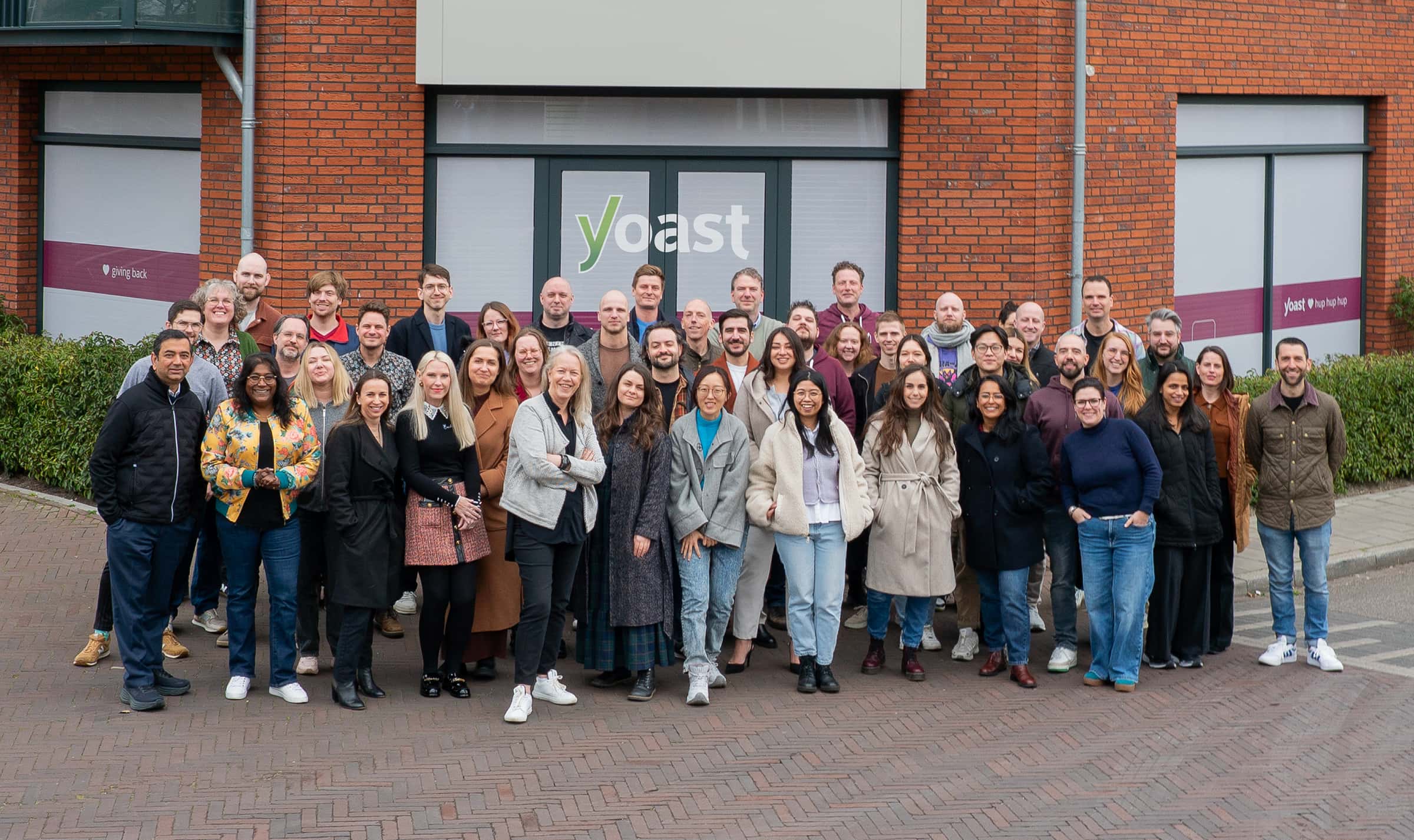
The SEO and WordPress experts at Yoast create every lesson in this course, drawing on years of hands-on experience structuring sites across WordPress, WooCommerce, and Shopify.
- They build the most installed SEO plugin for WordPress.
- Between them, they have more than 100 years of WordPress experience.
- Companies including Facebook, eBay, and The Guardian use Yoast.
Go at your own pace
No deadlines, and your access doesn’t expire.
Pick up where you left off
Your progress is saved automatically.
Works on any site
The fundamentals apply whether you run a blog, an online shop, or a company website.
What topics are covered in the course

Introduction to site structure
The two pillars of site structure: organizing your content, and connecting it with contextual links. Think sat nav versus personal city guide.

Organizing your site
How categories, tags, taxonomies, and breadcrumbs work together to help visitors and search engines make sense of your content.

Contextual linking
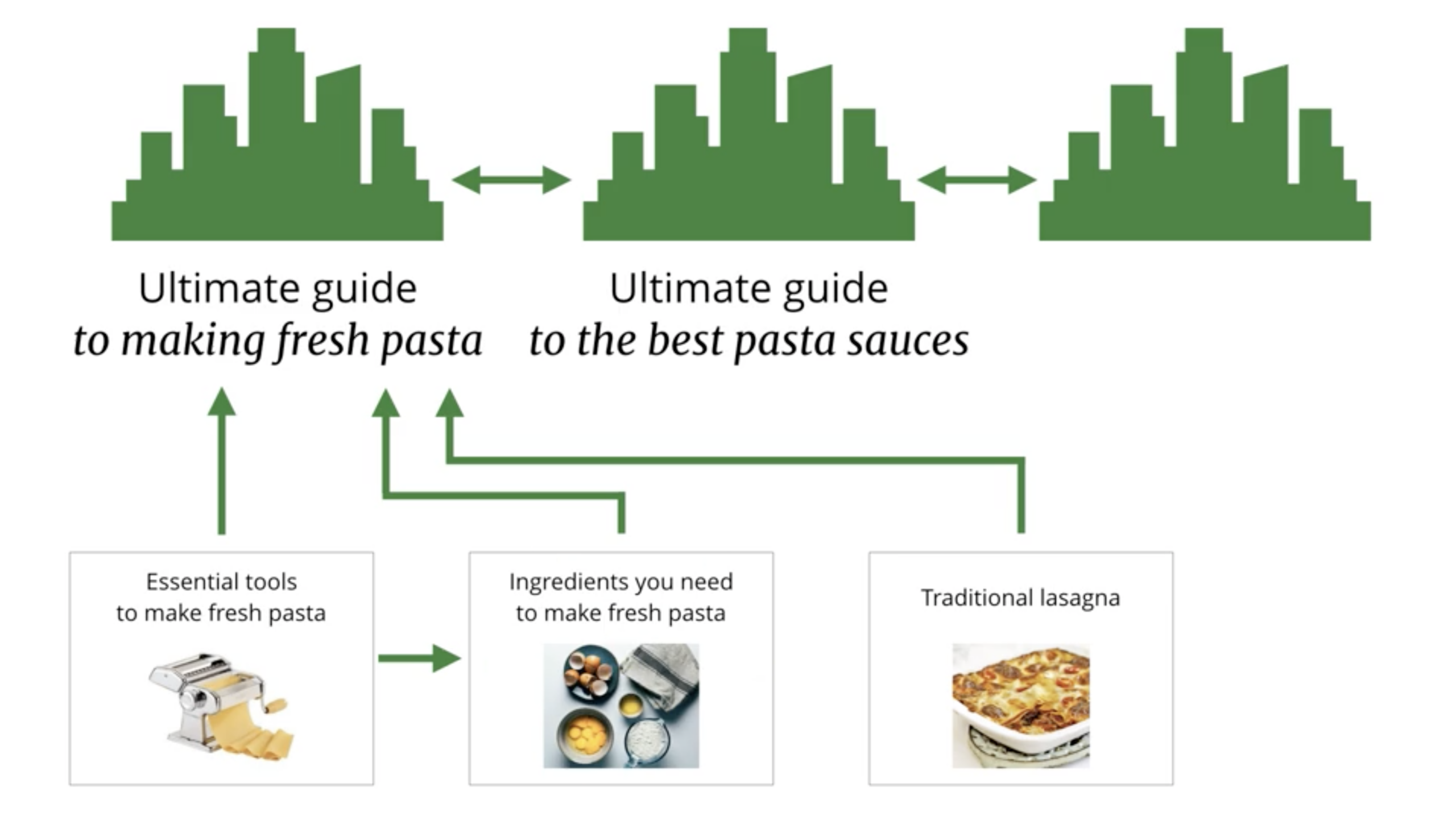
How the links within your content connect your pages, guiding visitors and search engines and AI systems toward what matters most, more like a web than a map.

Search intent and content intent
The four types of search intent, informational, navigational, commercial, and transactional, and how to match your content to what your audience actually expects to find when they land on a page.

Cornerstone content and product landing pages
How to build your most important pages so they carry real weight, matching search intent instead of reading like a regular page.

Maintaining your site structure
How to keep your structure working as your site grows, using redirects and ongoing content management.
I much better understand the inner-workings of SEO, how it functions, what Google is looking for and why. Breaking it down as you did made the information easy to retain.
Lynn Tall – Founder and Owner, Rugadvocate
What you get


Did you know?

Part of Yoast SEO Academy
Once your site structure is solid, Keyword research training helps you figure out exactly which keywords your most important pages should target, so the structure you’ve built actually points at the right things.
Yoast SEO Premium
Unlock this course + Yoast SEO Premium
This course is included in every paid Yoast plan, alongside real-time SEO guidance while you write, AI-assisted suggestions, and full Yoast SEO Academy access.
- Real-time SEO and readability guidance built into your publishing workflow
- AI-assisted suggestions so you’re never starting from a blank page
- Full Yoast SEO Academy access, including this course and its certificate
- 24/7 expert support if you get stuck
Running WooCommerce or Shopify instead? Yoast WooCommerce SEO and Yoast SEO for Shopify include this course too.
Yes. Search engines and AI systems use your site’s structure and internal links to work out which pages matter most. A disorganized site can leave your best content harder to find, even if the content itself is strong.
Categories are the broad sections your content fits into, usually few in number and set up in advance. Tags are more specific labels you can add as you go. The course explains how to use both without creating a messy, overlapping structure.
No. You can apply what you learn to your most important pages first, cornerstone content and key landing pages, before working through the rest of your site.
The most comprehensive, most important pages on your site, the ones you want to rank highest in your own site’s structure and get found first. The course shows you how to identify them and build your internal linking around them.
No single structure guarantees a ranking outcome. A clear site structure helps search engines and AI systems understand and find your most important content, which gives it a better chance of being found, but it works alongside good content and technical SEO, not instead of them.
Just want to watch the videos? That’s about 1.5 hours. Want to read the materials and do the quizzes too? Budget 4 to 6 hours in total. It’s self-paced, so take it as slowly or quickly as you like.
Get yourself a coffee and join us monthly to catch up on SEO
You’re busy running a site or a team, not tracking every SEO headline. The SEO Update by Yoast fits into one coffee break a month: our Principal SEOs break down what’s actually happening across search and AI, so you don’t have to piece it together yourself. Recorded live with audience Q&A, and a recording’s available afterward if you can’t join live.
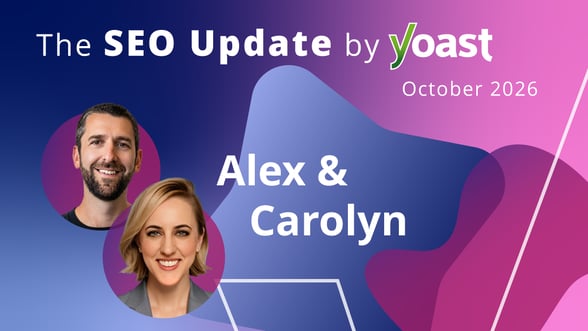


Expert analysis of the latest SEO & AI news developments with Carolyn…