

SEO for musicians: get found, grow fans, increase streams

Imagine writing a melody so catchy that people hum it for years. Now imagine that same song blowing up on TikTok or Instagram, only for listeners to remember the trend, the dance, or the sound, but not the artist behind it. As a musician, that’s the nightmare.
You don’t just want people to hear your music. You want them to remember your name, find your next release, and become long-term fans.
That’s why discovery matters.
Every musician understands the importance of Spotify, YouTube, and TikTok. But many artists overlook another place where fans actively search for music every day: Google.
Whether you’re trying to grow your streams, get more people to your gigs, book weddings and corporate events, or build a sustainable music business, SEO helps connect you with people already searching for what you offer.
Key takeaways
- Musicians must prioritize discovery through SEO to connect with fans searching for their music online
- SEO for musicians involves optimizing for searches related to artist names, lyrics, and upcoming shows
- Having a dedicated website helps centralize information, turning casual listeners into long-term fans
- Using specific SEO tips can enhance online visibility for music releases, performance bookings, and merchandise sales
- Tools like Yoast can simplify SEO efforts, making it easier for musicians to improve their online presence
What is SEO for musicians?
SEO, or search engine optimization, is the process of helping people find your content through search engines like Google. For musicians, that means making it easier for listeners, promoters, venue owners, journalists, and even AI-powered tools to discover your music online.
Think about what happens when someone hears one of your songs. They might search for your artist name, look up your lyrics, explore your latest release, check your tour dates, or look for artists with a similar sound. SEO helps ensure they find accurate information about you instead of getting lost among unrelated results.
As a musician, your SEO efforts should help you appear for searches related to:
- Your artist or band name
- Song and album titles
- Lyrics
- Music genres and styles
- Local concerts and performances
- Wedding and corporate entertainment
- Music lessons or workshops (if applicable)
- Artists similar to you
The goal isn’t to replace Spotify, YouTube, Apple Music, or social media. Those platforms remain essential for reaching listeners and building an audience.
SEO complements them.
Imagine a listener discovers your song on TikTok. Their next step might be searching for your artist name, looking up your lyrics, or finding your upcoming shows. SEO helps guide that curiosity into deeper engagement with your music.
Today, discovery doesn’t happen on a single platform. Fans move between search engines, streaming services, social media, and increasingly, AI tools that recommend artists and answer questions. A strong SEO foundation helps you stay visible throughout that journey.
In simple terms, SEO helps people discover your music, and when your website is found, it helps turn that discovery into a lasting connection. Whether someone wants to stream your latest release, book your band, sign up for your newsletter, or simply learn more about your story, your website gives them one place to do it all.
Jump ahead to what interests you:
Looking for something specific? Jump to the section that interests you most:
- Curious why music marketing expert Jesse Cannon recommends Yoast? → Jump to How musicians have simplified SEO with the right tools
- Want to learn from real musicians using Yoast? → Jump to Learn from musicians growing their online presence with Yoast
Why SEO matters more than ever for the music industry?
Creating great music is only half the battle. The other half is making sure people can find it.
Listeners rarely stay on a single platform. After discovering a song, many will look for more information about the artist, whether that’s upcoming shows, new releases, lyrics, or background details. Being easy to find online helps you capture that interest and keep people engaged with your music.
If your online presence is weak, that interest can disappear just as quickly as it appeared.
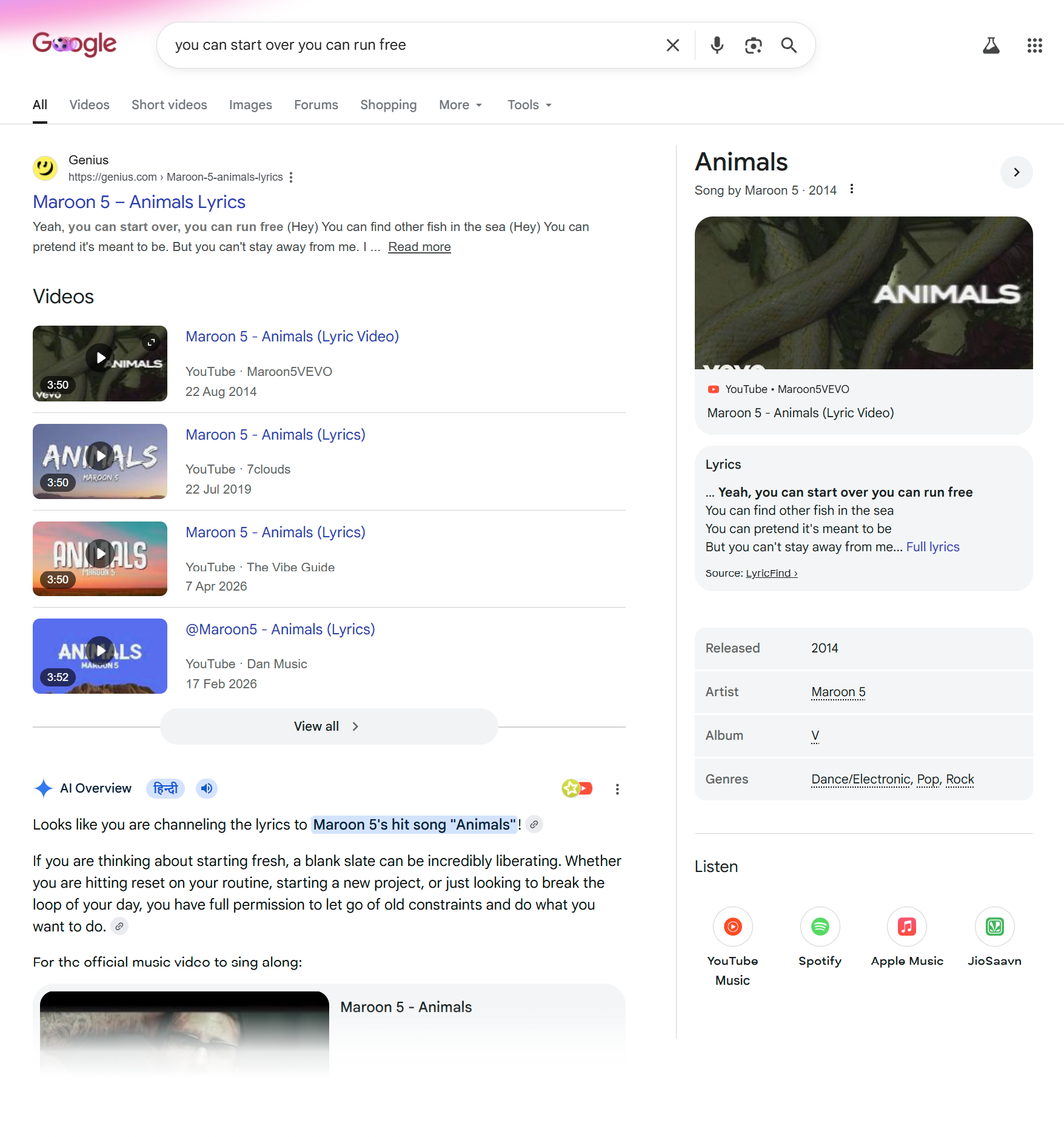
Here are some key reasons SEO for musicians matters more than ever:
Streaming platforms are more competitive than ever
A year ago, brand consultant Ava Rose Lynch highlighted a staggering statistic: more than 100,000 songs are uploaded to Spotify every day.
At first glance, that number can feel intimidating. But as Ava pointed out, oversaturation doesn’t make success impossible. It simply means artists need to find their own path to reaching listeners.
Streaming platforms can introduce your music to new audiences, but they also place you alongside millions of other artists competing for attention. That’s why discoverability matters. When someone hears your music and wants to learn more, you need a strong online presence that helps them find you.
A website, artist pages, and search-optimized content give listeners a way to move beyond a single stream and connect with your music, story, and future releases.
Discovery should lead somewhere
A listener might enjoy one of your songs on Spotify or hear it in a social media post. But what happens next?
When someone becomes interested in your music, they’ll often look for more. They may want to explore your discography, watch your videos, check upcoming shows, buy merchandise, or learn more about you as an artist.
That’s where having your own website becomes valuable.
Take Maroon 5’s website as an example. Instead of sending fans to a single destination, the website brings together music releases, videos, tour information, merchandise, and fan experiences in one place. A fan who discovers a song can explore upcoming shows, browse exclusive merch, subscribe for updates, and continue engaging with the band, all without leaving the website.
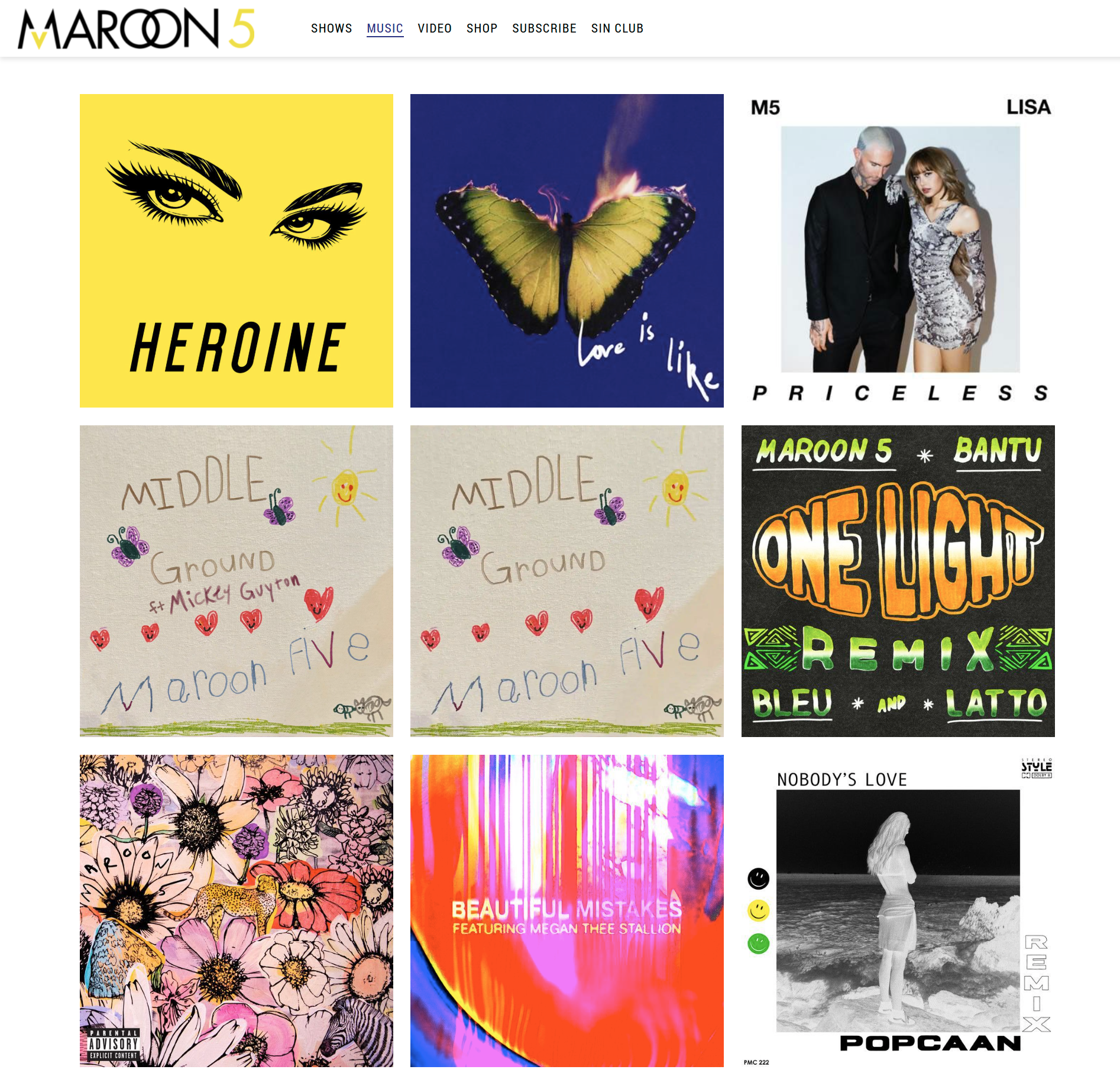
You don’t need a website as extensive as Maroon 5’s to benefit from the same principle. Even a simple website with your music, artist bio, upcoming performances, and contact information can help turn casual listeners into long-term fans.
SEO supports that journey by helping people find your website when they search for your artist name, songs, lyrics, or upcoming events.
SEO creates visibility that lasts
Social media posts have a short lifespan. Search visibility can continue working for you long after a post stops generating views.
As Yoast Principal SEO Alex Moss explains in our What is SEO guide:
SEO is both the art and science of improving a website, and pages within, to be as visible as possible for when people search for a relevant topic within any search platform.
For musicians, those topics could include your artist name, songs, lyrics, upcoming shows, or even recommendations for artists in your genre.
Unlike a social post that disappears from feeds within days, a well-optimized artist page, lyrics page, or concert announcement can continue attracting listeners months or even years after publication.
For independent musicians, that means every piece of content has the potential to keep working for you long after it’s published.
Top SEO tips for musicians
Every musician wants to be discovered, but not every musician is trying to achieve the same thing.
For some, success means reaching more listeners, increasing streams, and growing a loyal fanbase. For others, it’s about booking more weddings, corporate events, festivals, or private gigs. Many musicians are working toward both.
While these goals may seem different, they share the same foundation: helping the right people find you online. The following SEO tips are divided into two sections based on the outcomes you’re trying to achieve.
SEO tips to get your music discovered
If your goal is to grow your audience, increase streams, and build a loyal fanbase, your SEO strategy should make it easier for listeners to discover your music, learn your story, and keep coming back for more. These tips focus on helping your music stay visible across search engines, AI platforms, and beyond.
1. Build a website you own
When someone searches for your artist name, what information do they find?
For many independent musicians, the answer is a scattered collection of streaming profiles, social media accounts, event listings, and third-party websites. While each platform serves a purpose, none of them tells your complete story.
A website gives you a central place to bring everything together.
It helps listeners, promoters, journalists, and search engines understand who you are, what music you create, and where they can engage with your work.
Your website should include:
- An artist bio
- Music and latest releases
- Tour dates and upcoming events
- Contact information
- Links to your streaming platforms
Think of it as your artist headquarters. Every interview, social profile, release announcement, and search result should ultimately point back to a place where people can learn more about your music.
| Don’t have a website yet? Bluehost’s AI Website Builder helps you create a professional artist website without needing design or technical skills. Simply answer a few questions about your music and brand, and the AI builder creates a website you can customize and publish in minutes. |
2. Create pages for every release
Many musicians upload a song, album, or EP to streaming platforms and immediately move on to the next project.
That’s a missed opportunity.
Every release deserves its own dedicated page on your website. Whether it’s a single, EP, or full album, create a page that gives fans more context about the music.
Include details such as:
- Release information
- Song lyrics
- The story behind the track
- Production notes
- Featured artists
- Music videos
- Streaming links
These pages help fans engage more deeply with your music, but they also create opportunities to appear in search results.
For example, a fan may search for:
- indie folk musician
- jazz guitarist in London
- electronic producer in Berlin
- lyrics from your latest single
By understanding the terms your audience uses and naturally incorporating them into your content, you help search engines connect your music with the right listeners.
You don’t need to force keywords into every sentence. Focus on clearly describing your music, sharing the story behind your releases, and providing the information fans are already looking for.
The more context you give search engines, the easier it becomes for them to understand and surface your content.
3. Repurpose your music and turn it into content
Every song has a story behind it.
The inspiration for the lyrics. The challenges during recording. The meaning behind a verse. The experiences that shaped the final track.
Sharing those stories can help listeners connect more deeply with your music and create new opportunities for discovery.
One of the best ways to do this is to start a blog on your website. Blogs give you a place to regularly publish content that fans and search engines can find, whether it’s a song breakdown, tour update, or behind-the-scenes story from the studio.
You can create content such as:
- Song breakdowns
- Behind-the-scenes stories
- Recording diaries
- Tour journals
- Album creation stories
- Studio updates
This content gives search engines more context about your music and helps you naturally include terms your audience may be searching for.
For example, a singer-songwriter could write about the inspiration behind a new acoustic release. A touring band could document life on the road. An electronic producer could share the creative process behind a new EP.
Not every piece of content needs to promote a release. Sometimes, the stories surrounding your music are what help new listeners discover it in the first place.
4. Make your videos searchable
Music videos, lyric videos, live performances, studio sessions, and behind-the-scenes footage can all help new listeners discover your music. But publishing a video isn’t enough. You also need to make it easy for search engines to understand and surface that content.
Start with the basics:
- Use descriptive video titles
- Write clear video descriptions
- Add relevant details about the song, artist, and release
- Embed videos on relevant pages of your website
For example, if you’ve released a new single, don’t just upload the music video to YouTube. Create a dedicated release page on your website and embed the video, along with lyrics, streaming links, and the song’s story. This gives fans a richer experience while providing search engines with more context about your content.
This is where video SEO becomes important. Search engines can’t watch videos the same way people do. They rely on surrounding information, metadata, and structured data to understand what a video contains and when it should appear in search results.
If you’re using WordPress, the Yoast video SEO feature automatically adds video schema and helps search engines identify your website’s video content. This can improve how your videos appear in search results and make it easier for listeners to discover your music through video-related searches.
Must read: WordPress SEO: the definitive guide
5. Earn mentions from music blogs and publications
When a respected music publication, podcast, or industry website talks about your work, it does more than introduce you to a new audience. It helps build your reputation across the web.
Interviews, album reviews, artist features, and podcast appearances signal to search engines and AI systems that others are discussing your music.
Look for opportunities such as:
- Interviews with music blogs
- Album and single reviews
- Artist spotlights and feature stories
- Podcast appearances
- Industry roundups and recommendation lists
These mentions help establish your experience and credibility as an artist. Over time, they build a stronger online footprint, making it easier for people to discover and learn about your music.
This has become even more important as fans increasingly use AI-powered tools to find artists, ask for recommendations, and research musicians. When trusted sources consistently mention your name, music, and achievements, AI systems gain more confidence in understanding who you are and what you create.
Think of every interview, review, or feature as another piece of evidence that helps connect your artist name with your music, genre, and expertise. The stronger those connections become, the easier it is for search engines, AI systems, journalists, promoters, and potential fans to find and trust information about you.
Also read: What is E-E-A-T (Experience, Expertise, Authoritativeness, and Trustworthiness)?
SEO tips to get your band booked
If your goal is to get more gigs rather than more streams, your SEO strategy should help event planners, venue managers, and potential clients find your band when they’re actively searching for live entertainment. These tips focus on building an online presence that inspires confidence, showcases your experience, and makes booking you simple.
1. Optimize for local searches
Most event organizers aren’t searching for your band by name; they’re searching for a service in a specific location.
For example, someone looking for live entertainment might search for:
- Wedding band in Manchester
- Corporate event band in Chicago
- Jazz trio in London
- Acoustic duo near me
Help search engines understand where you perform by naturally mentioning your service areas throughout your website. If you regularly play weddings, festivals, or private events in certain cities or regions, include that information on relevant pages instead of keeping it hidden on your contact page.
If you’re using WordPress, the Yoast SEO Premium’s local SEO feature can help you strengthen your local presence by adding important business details, location information, and structured data that make it easier for search engines to understand where your band performs and who you serve.
Must read: Local search and local SEO: the ultimate guide
2. Create dedicated pages for every event you perform
Just as every single album or EP deserves its own page, every type of event you perform at deserves one too.
Instead of having a single “Bookings” page, create dedicated pages for services such as:
- Weddings
- Corporate events
- Private parties
- Festivals
- Holiday celebrations
Each page should explain what clients can expect, the type of music you perform, your experience, and how people can enquire about bookings.
This also creates opportunities to target searches that potential clients actually use, such as wedding bands in Birmingham or live corporate entertainment in New York, while helping visitors quickly find the information that’s relevant to their event.
3. Showcase your performances and build trust
When someone is planning an event, they’re not just looking for a talented band; they’re looking for reassurance that they’ve found the right one.
Your website should make that decision easier.
Include photos from previous performances, live videos, testimonials from past clients, and a list of venues or events where you’ve performed. If you’ve worked with recognizable brands, festivals, or event organizers, don’t hesitate to mention them.
These signals build trust with potential clients while also strengthening your online authority. Over time, a website filled with authentic experiences and positive reviews becomes a stronger source of information for both search engines and AI-powered search platforms.
4. Make it easy for people to book you
Imagine someone has just watched your performance video and decided they want to hire your band.
Can they book you in under a minute?
A clear booking process is just as important as getting discovered in the first place. Make sure every booking-related page includes an easy-to-find contact form, email address, or inquiry button. If you work with a booking agent or agency, prominently display their contact information as well, so event organizers know exactly who to reach out to. You can also answer common questions about availability, travel, pricing, or performance packages to help clients make quicker decisions.
The fewer steps someone has to take between discovering your band and contacting you, the more likely they are to become your next booking.
SEO tips to sell more merchandise
Getting discovered is only part of building a successful music career. Once fans find your website, give them opportunities to support your work beyond streaming your music.
Whether you sell T-shirts, vinyl, CDs, signed albums, posters, sheet music, sample packs, or digital downloads, your website can become your online merch table. Unlike social media or streaming platforms, you control the entire shopping experience and keep fans connected to your brand.
1. Create dedicated pages for your merchandise
Don’t hide your store behind a single “Shop” button. Create dedicated pages for your product categories, such as:
- T-shirts and apparel
- Vinyl and CDs
- Signed merchandise
- Posters and collectibles
- Sheet music or guitar tabs
- Digital downloads, and more
Each page should include clear product descriptions, high-quality images, sizing or format information, pricing, and answers to common questions. This helps both shoppers and search engines understand what you’re selling.
Someone searching for official [Artist Name] merch, signed vinyl, or guitar tabs by [Artist Name] should be able to land directly on the most relevant page.
2. Connect your music with your merchandise
Every release creates an opportunity to promote products that fans genuinely want.
For example, if you’ve launched a new album, link to the matching vinyl edition, limited-edition T-shirt, signed poster, or collector’s bundle directly from the release page. Similarly, music videos, blog posts, and tour announcements can naturally point visitors toward related merchandise.
When your content and products support each other, you create a smoother experience for fans while making it easier for search engines to understand the relationship between your music and the items you sell.
3. Help fans find your products through search
Just as listeners search for your songs and lyrics, they also search for merchandise.
Use descriptive product names and write unique product descriptions instead of relying on generic titles. Include details that fans are likely to search for, such as the product type, collection, or release it’s associated with.
If you’re using WordPress and WooCommerce, Yoast WooCommerce SEO helps optimize your product pages by improving structured data, product metadata, and social sharing information. This gives search engines more context about your products and helps fans discover them more easily.
Help your online store stand out!
Get this and much more in the Yoast WooCommerce SEO plugin!
Remember, every product page is another opportunity to appear in search results and turn a casual listener into a loyal supporter.
Must read: Ecommerce SEO: How to rank higher & sell more online
Bonus tip for every musician: Simplify SEO with the right tools
Whether your goal is to grow your streams, book more live performances, or build a stronger online presence, SEO involves many moving parts. From optimizing your website and creating content to improving local visibility and adding structured data, there’s a lot to keep track of.
The good news is that you don’t need to become an SEO expert to get started.
Many musicians turn to SEO tools to help them understand what to improve and ensure they’re following best practices. These tools can help you optimize content, improve site structure, add important metadata, and make your website easier for search engines and AI systems to understand.
This is one reason why music producer and marketing strategist Jesse Cannon recommends Yoast to musicians.
Jesse has spent years helping artists grow their audiences, launch releases, and build long-term marketing strategies. In a recent video about turning views into streams, he highlighted how artists can lose potential fans when people discover them on one platform but struggle to find them elsewhere online. He recommends Yoast to simplify SEO and help musicians make their music easier to find.
Yoast helps you strengthen the SEO fundamentals that support discoverability. It provides guidance on content optimization, metadata, site structure, schema, and other elements that help search engines and AI systems better understand your website.
This is especially relevant as AI-powered search continues to grow. According to the Yoast Perspective Report, 65% of SEO professionals believe optimizing for large language models (LLMs) is the same as, or an extension of, traditional SEO. The fundamentals remain the same: create clear, relevant, well-structured content that helps people find what they’re looking for.
The goal isn’t to chase algorithms. It’s to make it easier for listeners to discover your music, understand your story, and continue engaging with your work.
Whether someone searches for your artist name on Google, asks an AI assistant for artists similar to you, or looks up the lyrics to your latest release, strong SEO foundations help connect that listener with your music.
New to SEO?
Join our free SEO for Beginners webinar to learn the fundamentals, ask questions, and discover practical techniques you can start applying to your music website right away.
Learn from musicians growing their online presence with Yoast SEO
SEO advice is helpful, but it’s even more valuable when it comes from people putting it into practice every day.
To complement this guide, we spoke to musicians, educators, podcasters, producers, and other professionals in the music industry who use Yoast SEO as part of their online presence. While they each have different goals, from growing audiences and teaching music to generating leads and building personal brands, they all share one thing in common: helping people discover their work online.
Here’s what they’ve learned along the way.
John Bowman, Host of On Air with Johnny B
John Bowman is the creator and host of On Air with Johnny B, a music-focused podcast where he interviews artists, shares industry stories, and helps listeners discover new talent. His website serves as the central hub for his podcast, creative projects, and collaborations.
Advice for fellow musicians

Treat your website like your creative home base. Don’t rely only on social media. Build pages that explain who you are, what you do, where people can hear your work, and how people can connect with you. Think beyond promoting your latest release, share your influences, creative process, collaborations, and story. SEO isn’t just about keywords; it’s about helping the right people find the right story at the right time.
How Yoast SEO helps
John says Yoast transformed SEO from something abstract into something he could confidently manage. Instead of guessing how to optimize each page, he now has clear guidance that helps him focus on telling his story while ensuring his content is easier for people to discover.
Anthony Pell, Guitar educator, author, and content creator
Anthony Pell teaches guitar through books, lessons, transcriptions, and educational content published on his website. Rather than relying solely on YouTube or social media, he uses his website as a growing library where students can continue discovering his work.
Advice for fellow musicians
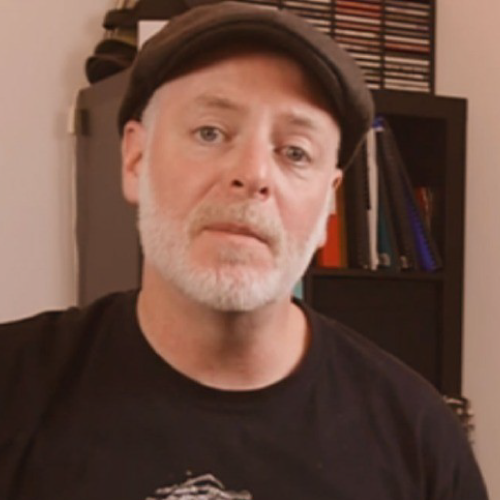
Don’t rely solely on social media platforms like Instagram or YouTube. Their popularity can change over time, but your website is something you own. It can become the home for your music, products, merchandise, courses, and everything else that helps people discover your work and connect with your brand.
How Yoast SEO helps
Anthony uses Yoast to optimize his educational content, improve metadata, and structure pages so both search engines and students can better understand what each resource offers.
Ben Stringer, Music educator and founder of SAM Music Service
Ben Stringer is a musician, composer, and founder of SAM Music Service, a music school offering online tuition in guitar, piano, drums, and voice. His website plays a vital role in growing the business, generating inquiries, showcasing the school’s services, and serving as a central hub for students, tutors, and partner schools.
Advice for fellow musicians
Use the tools available and don’t guess it yourself. SEO doesn’t have to be complicated when you have the right guidance.
How Yoast SEO helps
Ben says Yoast gives him confidence that the SEO side of his business is being taken care of. Features like the task list provide clear, practical guidance on what to improve, allowing him to spend less time worrying about SEO and more time focusing on his students and growing the business.
Brent Robitaille, Musician, educator, and author
Brent combines music, education, and publishing to build a career that extends well beyond live performances. His website showcases books, learning resources, and creative projects while helping new audiences discover his work.
Advice for fellow musicians

Take an active interest in improving your online presence. Keep learning, follow trusted SEO resources, and regularly review tools like Google Analytics, Search Console, and Semrush to understand what’s working. The more you measure, the more confidently you can improve
How Yoast SEO helps
For Brent, Yoast SEO makes it easier to organize and optimize an expanding library of content, ensuring every page is well-structured and easy for search engines to understand.
Chetan Shekar, DJ, producer, and founder of Piano Groove
Chetan Shekar created DarkLightDJ.com to make it easier for fans to discover and play his music. Instead of asking listeners to search across platforms like SoundCloud and YouTube, his website brings everything together in one place, giving fans quick access to his mixes from any device.
Advice for fellow musicians
Install the Yoast plugin for your CMS and follow its recommendations. Don’t overlook image alt text and descriptions, they help search engines better understand your content and can bring more organic visitors to your website.
How Yoast SEO helps
Chetan uses Yoast SEO to handle the technical side of SEO, freeing up more time to create music while keeping his website optimized for search.
One lesson connects every story
Although these professionals work in different areas of the music industry, their experiences point to the same conclusion: your website is one of your most valuable long-term assets.
Whether your goal is to grow your streaming audience, book more performances, teach music, or build your personal brand, a well-optimized website helps people discover your work, understand what you offer, and take the next step.
That’s exactly what SEO is all about.
Great music deserves to be found
Great music deserves to be discovered.
SEO won’t replace great songwriting, unforgettable performances, or meaningful connections with fans. But it can help the right people find your music when they’re actively searching for it.
The goal isn’t to chase algorithms. It’s to make sure that when someone wants to learn more about your music, they can find you rather than get lost in the noise.
